
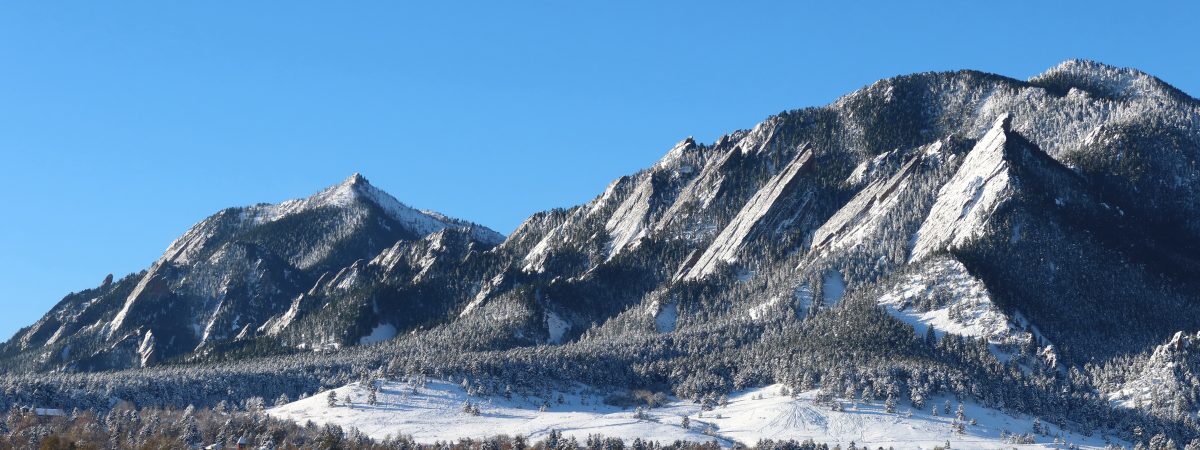
Winter in Colorado usually means snow stacks up in the high country, covers dry grasses, and slowly melts into the soil through spring. This year tells a different story. Colorado snowpack during the 2026 winter has hovered near record lows, and that shortfall will shape the months ahead in ways many homeowners may not expect. According to current data, snowpack levels across much of the state sit well below average for this time of year. That means less stored water in the mountains and a longer, drier fire season across the Front Range and foothills.
How Is Colorado Snowpack This Year?
According to the USDA, as of early March 2026, Colorado’s statewide snowpack sits at roughly 60% of the long-term median, placing it among the lowest snow years in recent decades.
Many residents ask the same question: how is Colorado snowpack? Snow monitoring data shows several regions tracking well under normal levels for this point in the winter season. Instead of building a strong base that carries through spring, snow totals have stalled or even declined during warm, dry stretches. Low Colorado snowpack does more than shorten ski seasons. Snowpack acts like a natural reservoir, holding moisture in the mountains and releasing it slowly as temperatures rise. When snowpack falls short, runoff decreases, soil dries faster, and vegetation loses its steady water supply. That dry shift does not stay in the mountains. It moves downslope into forests, foothills, and neighborhoods.
Why Does Snowpack Matter for Wildfire Risk?
Snowpack Feeds Soil Moisture
Healthy snowpack keeps soils damp well into late spring. When Colorado snowpack measures low, soils lose moisture earlier in the year. Dry soil pulls water from grasses, shrubs, and trees and plants weaken under that stress. When we experience dry winters in Colorado, by early summer, grasses cure out weeks ahead of schedule, and pine needles and small branches dry and drop, which can ignite quickly and allow fire to spread rapidly.
Early Melt Extends Fire Season
Low Colorado snowpack often melts earlier than normal, which pushes the fire season forward. Instead of starting in late summer, we may see critical fire conditions develop in late spring. A longer fire season gives wind and lightning more opportunities to spark ignition. One windy afternoon can turn dry grasses into a fast-moving grass fire that climbs into tree canopies. Homeowners in the foothills know how quickly that can happen. If you have ever watched a red flag warning roll through in May, you understand how unsettling it feels to see smoke before summer even begins.
Stressed Trees Become More Vulnerable
Drought stress weakens trees because low snowpack reduces the deep moisture reserves trees rely on during hot months. When trees struggle, insects and diseases such as bark beetles and fungal pathogens gain ground, then these dead and dying trees add heavy fuel loads. That buildup increases fire intensity and makes suppression more difficult. In areas west of Denver and throughout the foothills, we often see clusters of stressed ponderosa pine after winters with poor snow totals. Those trees shed dry needles and limbs, which collect around homes and along driveways.
The Chain Reaction from Mountains to Metro Areas
Colorado snowpack not only affects remote forests, but influences water supply, vegetation health, and fire behavior across the Denver Metro Area as well.
Less Runoff Means Drier Urban Edges
Reduced snowpack leads to lower streamflow, which in turn raises irrigation demands as natural moisture declines. Urban trees along greenbelts and open spaces experience added stress. Dry conditions along the wildland-urban interface create a bridge between open space and neighborhoods. Grasses in vacant lots and unmanaged areas can carry fire directly toward fences and structures.
Wind and Low Humidity Amplify the Risk
Spring in Colorado brings strong winds, and when combined with low humidity and dry fuels, fires spread rapidly. Low Colorado snowpack increases the number of days when fuels reach critical dryness. During wind events, embers can travel long distances and then land in gutters filled with pine needles or under decks stacked with firewood. A single ember can ignite a home if defensible space does not exist.
What Homeowners Can Do Right Now
You cannot control snowfall totals, but you can control how your property responds to dry conditions.
- Start with fuel reduction: Remove dead branches, thin overcrowded trees, and clear pine needles from roofs and gutters. Create defensible space by spacing trees and shrubs and trimming limbs away from structures.
- Pay attention to plant health: Stressed trees show signs like thinning crowns, excessive needle drop, or bark damage. Early intervention can prevent larger issues.
- Schedule a defensible space inspection: If you live in the foothills or near open space, a professional evaluation identifies weak points before fire season peaks.
Low Colorado snowpack should motivate action, not panic. When the entire community addresses hazards early, we can reduce risk and gain peace of mind.
Protect Your Property Before Fire Season Ramps Up
Dry winters demand smart preparation, and if Colorado snowpack continues to track below average, fire season will arrive sooner and last longer. You do not have to handle that risk alone. Splintered Forest serves the foothills of Colorado and the Denver Metro Area with fire mitigation, tree removal, trimming, plant health care, and defensible space inspections. Our team understands how low snowpack affects local forests because we work in them every day. We use specialized equipment and proven methods to reduce fuel loads and improve tree health around your home.
Reduce wildfire risk and protect your property. Contact Splintered Forest today.