
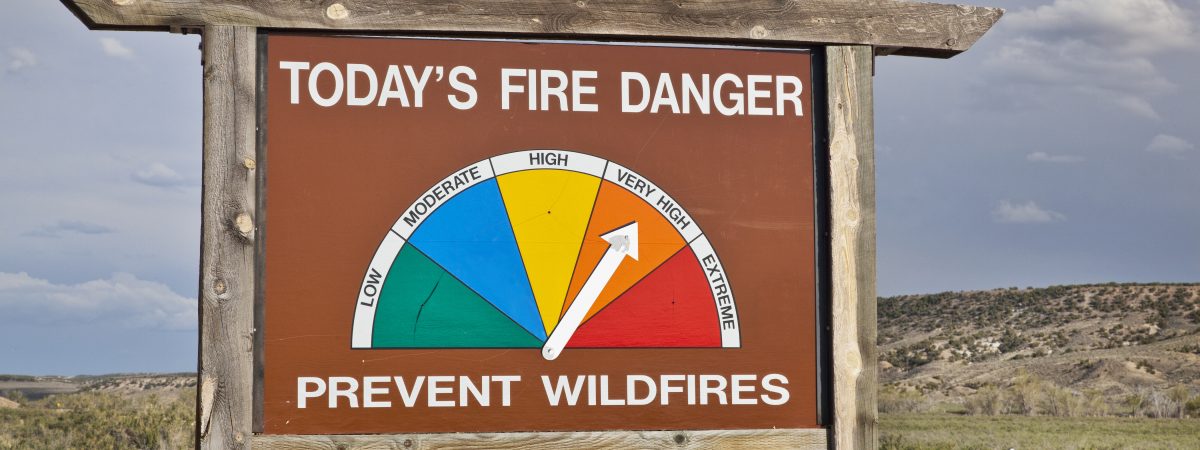
Dry grass crunches under your boots, the air feels thinner than usual, and a single spark could change everything. Colorado residents know this feeling well. Each year brings a stretch of time when fire risk climbs and small mistakes can turn into large, fast-moving wildfires. So, when is wildfire season in Colorado and how can homeowners stay prepared?
Understanding the Timing of Wildfire Season
Many people ask, “When is wildfire season in Colorado?”, expecting a simple start and end date. Colorado doesn’t follow a clean calendar. Fire risk shifts based on snowpack, temperature, and wind patterns. Most years, wildfire season begins in late spring and stretches through early fall, with peak danger often hitting between June and August.
Snowmelt plays a major role in wildfire season. Heavy snowpack can delay fire activity, while a dry winter often leads to an earlier start. Once temperatures rise and vegetation dries out, fuel builds quickly. Wind then adds another layer of risk by spreading flames faster than crews can contain them. Fall can still bring fire danger. Warm, dry conditions paired with gusty winds often create a second wave of wildfire activity. This extended risk window makes it important to stay alert beyond the summer months.
Where Wildfires Hit Hardest in Colorado
The Foothills and Front Range
The foothills west of Denver face consistent wildfire threats. Dense vegetation, steep terrain, and frequent winds create conditions that allow fires to spread quickly. Communities tucked into these areas often sit close to heavy fuel sources, which increases risk.
Mountain Communities
Higher elevations may seem safer due to cooler temperatures, but they still face serious wildfire danger. Dead trees, beetle-killed forests, and dry underbrush provide plenty of fuel. Once a fire starts in these areas, rugged terrain makes access difficult for crews.
Grasslands and Eastern Plains
Grassfires move fast and cover large areas in a short time. The eastern plains experience frequent fire activity, especially during dry and windy conditions. Even though these fires may not always involve dense forests, they still threaten homes, livestock, and infrastructure. Understanding when wildfire season is in Colorado matters even more when you consider how different regions face different risks at different times.
Why Wildfire Season Feels Longer Each Year in Colorado
Several factors have extended wildfire activity across Colorado. Warmer temperatures dry out vegetation faster, earlier snowmelt leaves land exposed for longer periods, and wind events have become more unpredictable and intense. Plus, human activity also plays a role. Campfires, equipment use, and power lines can all spark fires during high-risk periods. One small mistake during peak season can lead to large-scale damage. Fire seasons now demand more attention because they no longer follow predictable patterns. Staying aware of changing conditions helps homeowners make better decisions throughout the year.
What Colorado Homeowners Can Do to Prepare for Wildfire Season
Create Defensible Space Around Your Home
Clearing vegetation near your home reduces the chance that flames will reach your structure. Creating a defensible space includes trimming branches away from roofs, removing dead plants, pine needles, and debris, and keeping grass short and spaced out to slow fire movement.
Choose Fire-Resistant Materials
Roofing, siding, and decking materials can influence how well your home holds up during a wildfire. Fire-resistant home materials give your home a better chance of surviving ember exposure.
Maintain Trees and Vegetation
Tree trimming plays a key role in fire mitigation. Overgrown trees allow fire to climb from the ground into the canopy, where it spreads faster. Removing weak or dead trees also reduces fuel loads around your property.
Stay Aware of Local Conditions
Fire bans, weather alerts, and drought updates all signal changing risk levels. Keeping up with local guidance helps you adjust your plans and avoid dangerous situations. Knowing when wildfire season is in Colorado allows you to time these efforts correctly and stay ahead of potential threats.
The Real Impact of Wildfire Season
Wildfires affect more than just forests. Smoke impacts air quality across large areas, often reaching cities far from the fire itself. Evacuations disrupt daily life and force families to leave their homes with little notice, while property damage can take years to recover from. If you’ve lived through a wildfire evacuation or dealt with heavy smoke for days, you understand how quickly conditions can change. Preparation reduces stress and helps you act quickly when needed.
Stay Ready Before Fire Season Peaks in Colorado
Waiting until smoke appears on the horizon limits your options. Property owners in Colorado who take early action reduce their risk and gain peace of mind. Fire mitigation requires planning, physical work, and ongoing maintenance throughout the year. Many homeowners handle basic yard cleanup on their own, but larger projects often require professional support. Tree removal, thinning, and fuel reduction demand the right equipment and experience to complete safely.
Take Control of Your Property Before Fire Season Starts
Wildfire season doesn’t wait, and neither should you. Preparing your property now can make a real difference when conditions turn dangerous. Splintered Forest helps homeowners across Colorado reduce fire risk through expert tree removal, trimming, and fire mitigation services. Our team works directly with you to create defensible space and improve the health of your trees, all while keeping safety front and center. Reach out today and take the first step toward protecting your home before wildfire season in Colorado reaches its peak.