
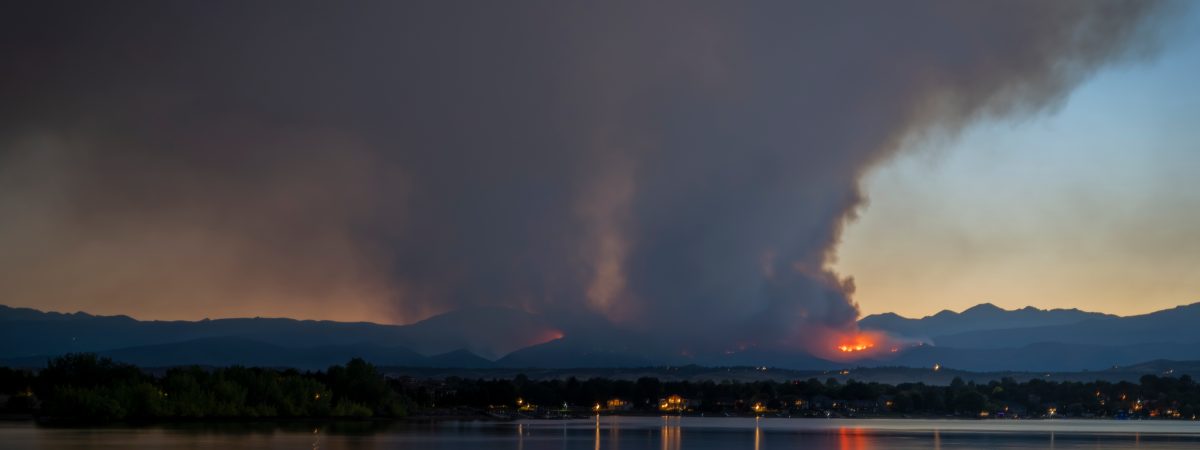
Wildfire does not need a direct flame front to destroy a home. Wind-driven embers can travel miles, land in dry debris, and ignite structures in minutes. Homeowners in Colorado’s foothills see this risk every year, especially in areas where trees and homes sit close together. Creating a buffer around your home gives you a real advantage when fire moves through your property. So, what is defensible space? It is the managed area around your home where you reduce vegetation and remove fuel sources to slow or stop the spread of wildfire. You shape this space with intention, using smart tree care and maintenance to limit how fire behaves near your structure.
Where the Idea of Defensible Space Came From
The term “defensible space” came from fire scientist Jack Cohen, who studied how homes ignite during wildfires. His research showed that homes often burn from nearby fuels and embers, not from large walls of flame. He proved that a well-maintained area around a structure gives firefighters a safer place to work and increases the home’s chance of survival. That research changed how communities approach wildfire safety. Today, fire agencies, insurance companies, and local governments all rely on defensible space guidelines to reduce risk in fire-prone areas.
Breaking Down the Three Zones
Understanding what defensible space is starts with knowing how it is organized. You divide the area around your home into three zones, each with a specific purpose.
Zone 1: Immediate Zone (0–5 Feet)
This area sits closest to your home and carries the highest importance. You want to eliminate anything that can ignite easily. Keep this space clean and simple. Remove dead plants, leaves, and pine needles. Avoid wood mulch and replace it with gravel or stone. Move firewood, wooden or plastic patio furniture, and other combustible items away from the structure. Clean your gutters and roof regularly to prevent ember buildup.
Zone 2: Intermediate Zone (5–30 Feet)
This zone focuses on slowing fire spread. Space trees and shrubs so flames cannot move easily from one plant to another. Trim lower branches (generally the lowest 6-10 feet or up to one-third of the tree’s height) to reduce ladder fuels. Keep grass mowed and remove dead or dying vegetation. You can still have plants in this zone, but you need to manage them carefully.
Zone 3: Extended Zone (30–100 Feet)
This area works to reduce fire intensity before it reaches your home. Thin dense tree stands, remove weak or diseased trees, and increase spacing between tree crowns so fire cannot jump from one canopy to the next. Leave healthy trees that show strong structure, but give them room to grow without crowding.
How Much Defensible Space Do You Need?
Many homeowners ask, “What is defensible space, and how much space do I actually need?” The standard recommendation is to create at least 100 feet of defensible space where possible. Some properties may require more, especially on steep slopes where fire travels faster uphill.
Local regulations and insurance providers may also set specific requirements. Homes in the wildland-urban interface often need documented defensible space to meet fire mitigation standards.
How to Create Defensible Space That Works
Creating defensible space takes more than cutting down a few branches. You need a clear plan and consistent upkeep.
Start With Hazard Removal
Walk your property and identify problem areas, keeping an eye out for dead trees, broken limbs, and dense clusters of vegetation. Remove anything that could act as fuel and pay close attention to trees that lean toward your home or show signs of disease.
Address Ladder Fuels
Ladder fuels allow fire to climb from the ground into tree canopies. You reduce this risk by pruning lower branches and clearing shrubs that grow beneath trees. This step alone can change how fire behaves on your property.
Improve Tree Spacing
Trees need proper spacing to stay healthy and fire-resistant. Crowded trees compete for resources and create continuous fuel. By thinning out weaker trees and leaving the strongest ones with room to grow, you reduce the ease with which fire will spread.
Choose Fire-Resistant Plants
Not all plants burn the same way. Some hold more moisture and resist ignition better than others. Use those plants in your yard and avoid species that dry out quickly or produce excessive debris. Some examples of these are:
- Lavender
- Yarrow
- Blanket Flower
- Columbine
- Serviceberry
- Mountain Mahogany
- Sumac
- Ice Plant
- Creeping Phlox
- Sedum
- Hens and Chicks
While no plant is fireproof, these tend to be more fire-resistant when properly maintained.
Maintain the Space Year-Round
Defensible space does not stay effective without regular care. Leaves fall, branches break, and plants grow back, so regularly scheduled seasonal cleanups are needed to keep your property in good condition. If you’ve ever dealt with heavy needle drop or storm damage, you know how quickly debris can build up.
Protect Your Property With Expert Help from Splintered Forest
Your trees and vegetation play a direct role in how wildfire behaves around your home. Managing them correctly takes time, effort, and the right equipment. Splintered Forest helps homeowners across the Denver Metro Area and Colorado foothills create safer properties through expert tree removal, trimming, and fire mitigation services. Reach out to our team today and take the first step toward a more secure home.