
Pine trees shape the identity of Colorado’s foothills and mountain communities. They provide shade, privacy, and that unmistakable alpine feel. When mountain pine beetles move in, they can change an entire property in just a few seasons. Homeowners across the Front Range still ask the same question: where did the mountain pine beetle come from, and why do they cause so much damage? Understanding how these beetles operate helps you protect your trees before the damage spreads.
Where Did the Mountain Pine Beetle Come From?
Many people assume this pest arrived from another region, as many invasive pests do, but that’s not the case. If you’ve asked yourself where did the mountain pine beetle come from, the answer starts right here in western North America. The mountain pine beetle has lived in Colorado’s forests for thousands of years. It plays a natural role in thinning weak or overcrowded trees. In healthy forest systems, beetles target older or stressed trees and leave stronger ones behind. This process supports forest regeneration. Problems begin when environmental conditions allow beetle populations to explode beyond normal levels.
Why Do Mountain Pine Beetle Populations Surge?
Warmer winters and prolonged drought create ideal conditions for beetles to thrive. Cold snaps once kept their numbers in check, but milder temperatures now allow more beetles to survive and reproduce. Dense stands of pine trees also give beetles an easy path to spread from one tree to the next. So when homeowners wonder where did the mountain pine beetle come from, the better question becomes why their numbers grew so quickly. The answer lies in changing conditions, not a new introduction.
What Mountain Pine Beetles Eat and How They Kill Trees
Inside the Bark
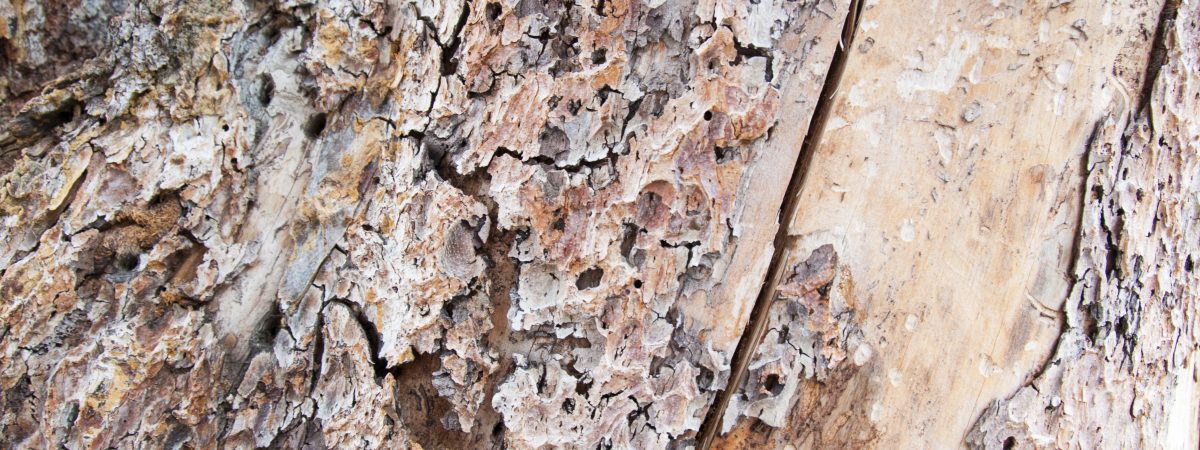
Mountain pine beetles target pine species like ponderosa, lodgepole, and limber pine. Adult beetles bore through the bark and create tunnels where they lay eggs. Once the larvae hatch, they begin feeding on the tree’s inner layer, called the phloem. This tissue moves nutrients throughout the tree. As larvae feed, they cut off the tree’s ability to transport water and nutrients. This damage, combined with fungal infection and mass attack, typically kills the tree.
The Role of Blue-Stain Fungus
Beetles bring along a harmful fungus that accelerates the process. This fungus spreads through the tree’s vascular system and disrupts water flow. The combination of larval feeding and fungal infection overwhelms the tree’s defenses. You may notice early warning signs like small pitch tubes, which look like popcorn-sized globs of sap on the bark. Needles typically fade from green to yellow and then red over the course of a few months to a year. If you’ve ever watched a healthy pine turn red in what can seem like overnight, you know how quickly this damage unfolds.
Are Mountain Pine Beetles Invasive?
Many homeowners feel confused when they hear these beetles are native. If they belong here, why do they cause so much destruction? Mountain pine beetles are not invasive; they exist as part of the natural ecosystem. The problem stems from an imbalance that leads to large-scale outbreaks affecting entire hillsides rather than scattered individual trees. Warmer temperatures, drought stress, and dense forests remove the natural limits that once kept beetle populations under control.
Are Mountain Pine Beetles Common on the Front Range?
Historically, mountain pine beetles caused the most damage in high-elevation forests. Today, Front Range communities do see more activity, especially in areas with stressed or crowded trees. If you’re asking where did the mountain pine beetle come from in relation to your property, the answer often ties back to nearby infestations. Beetles spread by flying from tree to tree, and they can travel miles in search of new hosts, especially with assistance from the wind. Drought conditions along the Front Range weaken trees and make them easier targets. Properties with limited irrigation or compacted soil face higher risk.
Are They Still a Concern Today?
Large outbreaks have slowed compared to peak years, but mountain pine beetles still pose a real threat. Localized infestations continue to appear across Colorado. Trees that experience stress from drought, construction damage, or poor soil conditions remain vulnerable. Even a single infested tree can lead to multiple losses if left untreated. Homeowners who stay proactive tend to avoid widespread damage. Regular inspections and early action make a significant difference.
What You Can Do to Protect Your Trees
Focus on Tree Health
Healthy trees resist beetle attacks more effectively. Deep watering during dry periods strengthens root systems and improves overall resilience. Proper pruning removes weak or damaged branches that attract pests.
Spacing also matters. Trees that grow too close together compete for water and nutrients, which increases stress levels.
Watch for Early Signs
Check your trees regularly for pitch tubes, boring dust, and fading needles. Early detection gives you a better chance to stop the spread. Once a tree shows advanced signs of infestation, removal often becomes the safest option to protect nearby trees.
Take Action Quickly
Removing infested trees prevents beetles from spreading. Professional crews can also properly dispose of infested wood to help prevent beetles from emerging and spreading. Preventive treatments may help protect high-value trees, especially in areas with known beetle activity.
Pro Tip:
Preventative spray treatments are one of the most effective ways to protect healthy pine trees from the mountain pine beetle. These treatments create a barrier that kills beetles before they enter the tree. Timing is critical, however, and applications should be completed in late spring to early summer, before beetles take flight. It is important to note that sprays are preventative, not curative, so they only work on uninfested trees, but can provide season-long protection with proper application.
Protect Your Property Before Beetles Take Hold
Mountain pine beetles continue to impact properties across Colorado, and waiting too long can turn a manageable issue into a costly problem. If you’ve asked where did the mountain pine beetle come from or wondered whether your trees face risk, a professional evaluation gives you clear answers.
Splintered Forest helps homeowners stay ahead of infestations with expert tree care, safe removals, and proactive mitigation strategies. Our team understands how these beetles behave in the Front Range and how to protect the trees that matter most to you. Reach out today to schedule an inspection and keep your property healthy, safe, and looking its best.